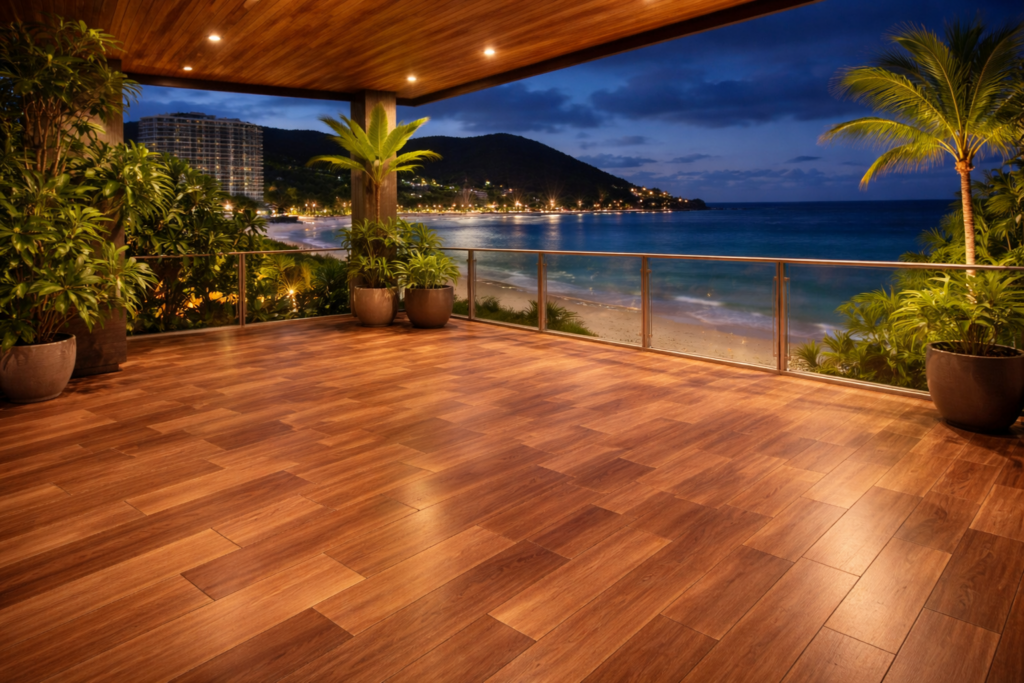
Island living is a dream — the warm air, the ocean breeze, the lush green everywhere you look. But if you own a home in Hawaii, you also know that the same environment that makes the islands so beautiful can be pretty tough on the things inside your house. Salt air drifts in through open lanai doors. Slippers track in sand and moisture from outside. The humidity never quite leaves, even on a sunny day.
Vinyl flooring is one of the best choices for Hawaii homes precisely because it handles all of this well. But “handles it well” doesn’t mean “handles it with zero effort.” If you want your floors to stay looking beautiful for 20 or more years, a little regular care goes a long way.
This guide covers everything you need to know about vinyl flooring maintenance Hawaii homeowners should follow — from daily habits to seasonal deep cleans, and a few island-specific tips you won’t find in a generic flooring guide.
Why Maintenance Matters More in Hawaii
Before we get into the how-to, it helps to understand what your floors are actually up against here on Oahu. Hawaii’s climate creates a unique combination of stressors that mainland flooring guides simply don’t address:
• High ambient humidity: Average indoor humidity in Hawaii often sits between 60–80%, especially in older homes without central AC. Even moisture-resistant floors need proper airflow to stay in top condition.
• Salt air exposure: Homes near the coast deal with fine salt particles that settle on surfaces and, over time, can dull floor finishes if not cleaned off regularly.
• Sand and grit: Hawaii’s beaches are stunning, but that fine volcanic sand acts like sandpaper underfoot, gradually scratching and dulling your wear layer if it’s not swept up consistently.
• UV exposure: Hawaii gets intense sunlight year-round. Prolonged direct sun through windows can cause some vinyl finishes to fade over time without proper protection.
None of these things will ruin a quality SPC vinyl floor overnight. But they do mean that good maintenance habits are more important here than in, say, a dry-climate home in Arizona.
Daily Habits That Make a Big Difference
The best vinyl flooring maintenance Hawaii routine isn’t complicated — it’s mostly about consistency. These small daily habits prevent the gradual wear that shortens a floor’s lifespan:
1. Use a “No Shoes Indoors” Policy
This is already second nature in many Hawaii households — and for good reason. Shoes and slippers track in sand, grit, and moisture from outside. Even rubber slippers carry fine particles that scratch floor surfaces over time. A dedicated slipper station near your entrance keeps the worst offenders outside where they belong.
2. Sweep or Vacuum Daily in High-Traffic Areas
You don’t need to sweep the entire house every day — just the areas that see the most foot traffic, like entryways, kitchens, and living rooms. A soft-bristle broom or a vacuum on the hard floor setting picks up sand and dust before it has a chance to grind into the wear layer.
One tip: avoid vacuums with a beater bar or hard roller brush. These can scuff vinyl surfaces. Stick to suction-only mode or a soft attachment head.
3. Wipe Up Spills Right Away
SPC vinyl is waterproof — but that doesn’t mean you should let standing water sit. Liquid that pools near seams or edges can work its way down to the subfloor if it sits long enough. A quick wipe with a dry cloth or paper towel takes care of it before it becomes a problem.
The Right Way to Clean Vinyl Flooring in Hawaii
Cleaning vinyl floors sounds simple, but there are a few things that can do more harm than good — especially when dealing with island-specific buildup like salt residue or red dirt.
Weekly Mopping
For a thorough weekly clean, use a damp (not wet) mop with a pH-neutral vinyl floor cleaner. Wringing your mop out well is key — you want just enough moisture to lift dirt, not soak the floor. Hot water alone works fine for light maintenance, but a dedicated vinyl cleaner will help with grease in the kitchen and any salt film near exterior doorways.
What to avoid:
• Steam mops — the heat and moisture can weaken adhesive and cause planks to lift
• Bleach-based cleaners — these degrade the wear layer and can discolor the surface
• Oil-based soaps or wax products — these leave a residue that attracts dirt and dulls the finish
• Abrasive scrubbing pads — stick to soft microfiber mops and cloths
Tackling Salt Residue
If you live close to the coast, you may notice a faint white film on your floors near doors and windows — that’s salt. It’s easy to deal with: a damp microfiber mop with warm water and a splash of white vinegar cuts right through it. Just don’t use vinegar regularly as your primary cleaner, as it’s mildly acidic and can dull the finish over time with repeated use.
Red Dirt Stains
Anyone who’s spent time in Hawaii knows about red dirt — the iron-rich laterite soil found across the islands that stains everything it touches. On vinyl flooring, fresh red dirt wipes up easily. Set-in stains respond well to a small amount of rubbing alcohol on a cloth, gently worked into the stain. Never scrub aggressively — blot and let the cleaner do the work.
Protecting Your Floors from Furniture and Sun Damage
Use Furniture Pads and Coasters
Heavy furniture — dining tables, sofas, bed frames — can leave permanent indentations in vinyl if the weight is concentrated on small feet or legs. Felt pads under every piece of furniture are cheap, easy to install, and completely prevent this. For heavy appliances like refrigerators, use wide plastic cups or furniture sliders.
Manage Sunlight Exposure
Hawaii’s sunlight is beautiful, but intense UV exposure through glass can fade and yellow some vinyl finishes over time. Using UV-filtering window film, sheer curtains, or adjustable blinds in rooms with west or south-facing windows helps protect both your floors and your furniture. It also keeps your home cooler, which your AC bill will appreciate.
Entryway Mats Are Non-Negotiable
Place both an outdoor mat (to knock off sand and debris) and an indoor mat (to catch residual moisture and fine particles) at every exterior door. In Hawaii, this single step does more to preserve your floor’s finish than almost anything else. Choose mats with a non-staining rubber backing — some cheap mats can leave discoloration on vinyl surfaces over time.
Seasonal and Annual Maintenance Checklist
Beyond daily and weekly cleaning, here’s what to do on a bigger-picture schedule to keep your vinyl floors in peak condition:
• Every 3 months: Deep clean along baseboards and in corners where moisture and dust accumulate. Check expansion gaps around the perimeter to ensure nothing is blocking them — restricting the floor’s natural movement can cause buckling.
• Every 6 months: Inspect planks in high-moisture areas (bathrooms, laundry rooms, near exterior doors) for any signs of lifting edges or soft spots below. Catching issues early saves significant repair costs.
• Annually: Check under appliances — refrigerators, dishwashers, and washing machines — for any slow leaks that might be affecting the subfloor without you realizing it.
When to Call a Professional
Good maintenance keeps most problems from ever developing — but occasionally, something happens that’s beyond a simple wipe-down. Here’s when it’s time to pick up the phone:
• A plank or section is lifting and won’t lie flat after drying out
• You notice a persistent musty smell that points to moisture or mold beneath the floor
• Significant scratching or surface wear in a concentrated area
• Water damage from a leak that has affected multiple planks
One advantage of floating SPC vinyl is that individual planks can be replaced without disturbing the rest of the floor. If you installed your floors with VC Flooring & Stone, keep a few spare planks from your original order stored in the home — they’ll be an exact match if you ever need a repair.