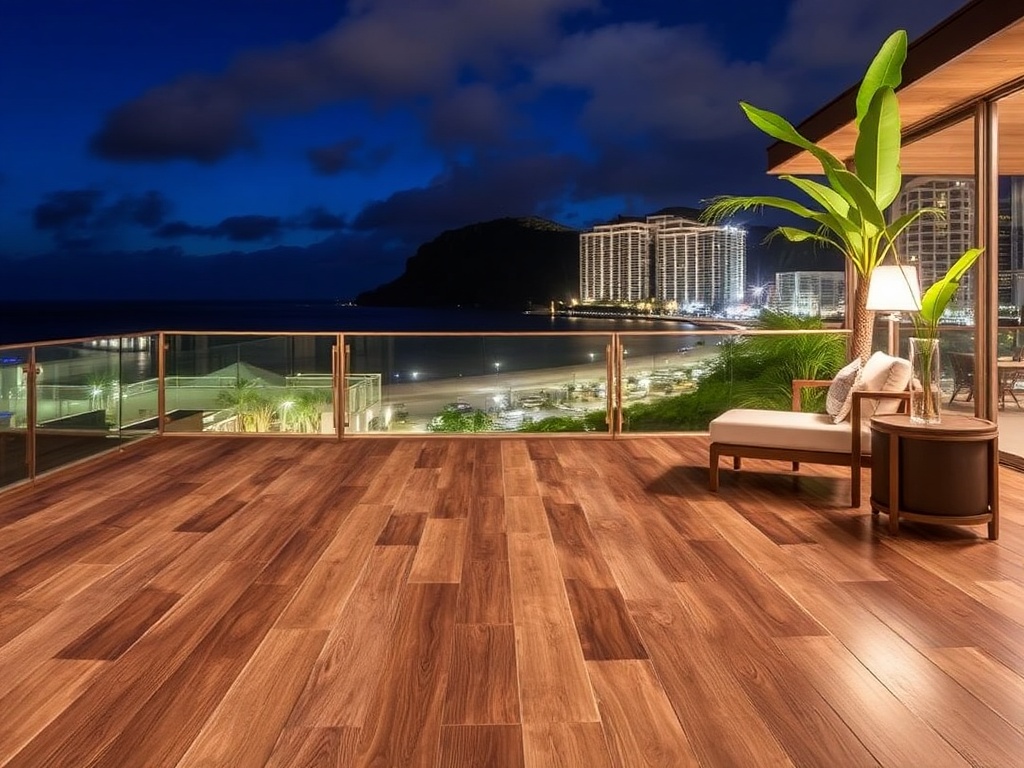
Anyone who’s lived in Hawaii for more than a week knows—moisture is just part of life here. Between the humidity that makes your hair do weird things, the rain that seems to appear out of nowhere, and that salty ocean air that gets into everything, your home takes a beating. I’ve seen gorgeous hardwood floors turn into wavy disasters, and don’t even get me started on what happens to cheap laminate after a few years in this climate.
So when people ask me if vinyl flooring is waterproof enough for Honolulu, I get it. You’re tired of replacing floors every few years, and you want something that’ll actually last. Here’s the truth: yes, but you need to know what you’re buying. Waterproof vinyl flooring Honolulu homeowners are choosing today is completely different from the vinyl your grandma had in her kitchen.
Why Honolulu’s Weather is Tough on Floors
Look, I’m not going to bore you with weather statistics. You already know it’s humid here—your windows fog up, your towels never quite dry, and you’ve probably got a dehumidifier running somewhere in your house right now.
What you might not realize is how all that moisture affects your floors. I’ve walked into homes where the wood floors near the lanai look like rolling hills. The homeowners tell me the same story: “It was fine for the first year, then one rainy season and everything warped.” Or they’ve got laminate that’s starting to bubble at the edges because water got underneath.
Add beach trips where everyone tracks in sand and saltwater, those afternoon showers that blow through your open windows, and just the general dampness from living on an island in the middle of the ocean—your floors need to be tough. Like, really tough.
This is why waterproof vinyl flooring Honolulu residents are installing has become so popular. Not just water-resistant (that’s marketing speak for “it’ll still get damaged, just slower”), but actually waterproof all the way through.
The Different Types of Vinyl (And Why It Matters)
Here’s where things get confusing. Walk into any flooring store and they’ll tell you everything is “waterproof.” But that’s not exactly honest.
The old-school vinyl sheet flooring your parents probably had—you know, the stuff that came in giant rolls? It’s okay, but water can sneak in at the seams if they’re not sealed perfectly. And let’s be real, in Hawaii’s humidity, “perfectly sealed” doesn’t last forever.
Luxury Vinyl Plank (LVP) sounds fancy, and it looks great. But here’s the thing: some of it is waterproof, some of it isn’t. It depends on what the core is made of. If the salesperson can’t tell you exactly what’s in the middle of that plank, keep walking.
Stone Plastic Composite (SPC) is what you actually want. The core is made from limestone and some other materials that basically laugh at water. You could leave a puddle sitting on it overnight (please don’t, but you could) and it won’t budge, warp, or swell.
We only work with SPC vinyl at VC Flooring & Stone because, honestly, why would we sell something that’s going to fail in two years? Our 7.5mm SPC flooring with the 20-mil wear layer is built for Hawaii. It’s not going to let you down when the roof leaks or your kid leaves the window open during a rainstorm.
How It Actually Holds Up (Real Stories from Real People)
I could tell you all day that waterproof vinyl works great, but you probably want to hear from people who’ve actually lived with it.
There’s a woman in Kailua who had beautiful koa hardwood floors in her kitchen and dining room. Looked amazing. Three years in, the floors near her sliding glass door started looking like a skate park—all wavy and warped from the rain that would blow in during storms. The area around her kitchen sink wasn’t much better. She ended up ripping it all out and putting in SPC vinyl. That was five years ago, and those floors still look perfect despite her kids tracking in beach sand almost daily.
Then there’s this guy in Manoa who fought me on vinyl for weeks. He wanted “real” wood because vinyl seemed cheap to him. I finally convinced him to just look at samples, and he couldn’t believe how realistic they looked. He put waterproof vinyl flooring Honolulu contractors recommended in his bathroom during a renovation, and now he tells everyone about it because he’s not constantly stressed about shower steam or water splashes anymore.
Last month, a couple in Kaimuki had their washing machine hose burst while they were at work. Came home to standing water throughout their laundry room and hallway. They were freaking out, obviously. But the vinyl floors? Totally fine. They just sucked up the water, let everything dry out, and moved on with their lives. Try that with hardwood or laminate and you’re looking at a full replacement.
Other Reasons why customers love vinyl
Waterproof is great, but that’s not the only reason vinyl has taken off in Honolulu.
It can take a beating. You’ve got sand, dirt, salt, and who knows what else getting tracked in every single day. Dogs with muddy paws after rain. Kids dragging toys across the floor. That 20-mil wear layer on quality vinyl basically shrugs all of it off. We’re talking years of this treatment, and the floors still look good. Try to scratch it on purpose and you’ll have a hard time.
Spills aren’t scary anymore. Red wine, coffee, soy sauce from that takeout plate—it all wipes right up. The surface doesn’t absorb anything, so you’re not going to see permanent stains. I’ve seen people freak out over spills on their old floors, and with vinyl they just grab a towel and move on with their day.
Your feet will thank you. After standing in the kitchen for an hour making dinner, you’ll notice the difference. Vinyl has just enough give that it’s way more comfortable than tile or concrete. Not squishy or anything weird, just a little bit forgiving. Makes a bigger difference than you’d think.
Cleaning takes about five minutes. Sweep up the sand and crumbs, maybe run a damp mop over it once a week. That’s it. No special cleaners, no refinishing every few years, no sealing grout lines. People who switch from tile tell me this is their favorite part—they get hours of their life back from not scrubbing grout anymore.
Getting It Installed Right (This Part Actually Matters)
You can buy the best vinyl in the world and still end up with problems if the installation is sloppy. I’ve seen it happen too many times.
The seams need to click together perfectly—no gaps, no spaces where water could sneak through. And the subfloor underneath needs to be prepped correctly. If you’ve got moisture issues already happening under there, slapping vinyl on top isn’t going to fix it. A good installer will check for that stuff first and deal with it before the new floor goes in.
In Hawaii, there’s some extra things to think about. The vinyl needs time to adjust to the temperature and humidity in your house before installation. Rushing this step is how you end up with floors that don’t fit right. And in really damp areas, you might need a moisture barrier installed first.
This is why we only work with licensed installers who know what they’re doing. They’ve installed enough floors in Hawaiian homes to know what works and what doesn’t. They’re not going to take shortcuts that’ll come back to bite you in a year.
What to Look for When You’re Shopping
Walking into a flooring store can be overwhelming. Salespeople throwing around specs and numbers, samples everywhere—it’s a lot. Here’s what actually matters when shopping for waterproof vinyl flooring Honolulu stores carry:
Thickness is your friend. Anything less than 7mm is going to feel cheap and flimsy. You want at least 7mm, maybe more if you can afford it. Thicker floors just feel more solid when you walk on them, and they hide imperfections in your subfloor better.
The wear layer protects everything else. Think of it like a clear coat on a car. A 20-mil wear layer will hold up to normal family life—kids, pets, parties, all of it. If someone’s trying to sell you something with a 12-mil wear layer, that’s fine for a bedroom you barely use, but not for your kitchen or living areas.
Check how the planks lock together. Good vinyl has a clicking system that creates tight seams with no gaps. Cheap vinyl? The edges don’t fit quite right, and that’s where water gets in. When you’re looking at samples in the store, try clicking a couple pieces together yourself. They should snap firmly into place.
Make sure it actually looks good. Modern vinyl can look incredibly realistic—like, you’d swear it’s real wood until you touch it. But some of the cheaper stuff still has that obviously fake appearance. Look at samples in natural light, not just under fluorescent store lighting. And if you can, bring a piece home to see how it looks in your actual space.
Let’s Talk About Money
Yeah, good waterproof vinyl costs more upfront than the cheap stuff at the big box stores. But here’s some perspective.
Say you go cheap and install basic laminate to save a few bucks. Two or three years down the road, it’s bubbling near the bathroom or warping by the back door. Now you’re paying to rip it out, haul it away, and install new flooring all over again. Between materials, labor, and the hassle of moving furniture twice, you’ve basically paid for it twice.
Quality SPC vinyl might cost more today, but it’s still sitting there looking good 20 years from now. No replacement, minimal maintenance, no drama. When you break it down per year, the expensive vinyl is actually the cheaper option.
Plus, think about when you sell your house. Buyers in Hawaii are getting smarter—they know which materials hold up here and which don’t. Good flooring means one less thing for them to worry about or negotiate on. That’s worth something when you’re trying to close a deal.
Bottom Line
Is vinyl flooring waterproof enough for Honolulu? Yeah, absolutely—if you get the right kind and have it installed properly.
SPC vinyl is built for exactly this kind of climate. The humidity, the rain, the moisture that’s just always in the air—it doesn’t care about any of it. Your floors will look the same in five years as they do the day they’re installed, assuming you’re not intentionally trying to destroy them.
Whether you’re redoing one bathroom or gutting your whole house, waterproof vinyl makes sense here. It looks good, it’s practical, and it’s not going to fall apart on you. That’s kind of the whole point.
Come by our showrooms on Dillingham Boulevard or School Street if you want to see what we’re talking about. We’ve got samples you can look at, and you can use our 3D visualizer to get an idea of how different options would look in your house. We’re open Monday through Saturday, and our team can answer whatever questions you’ve got.
Don’t keep dealing with floors that can’t handle Hawaii. Get something that actually works.